



Keep exploring
Looking for a destination that combines beaches, cities, nature, and great prices? Albania has all the ingredients to become one of your next favorite trips. Located in the Balkans, this country still boasts surprising hidden gems and offers a blend of Mediterranean landscapes, traditional villages, and a fascinating history. If ...
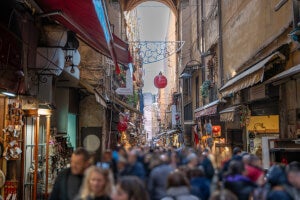
Some cities transform completely when Christmas arrives. And then there's Naples, where Christmas seems to never end. If you travel to the Italian city during December, you'll find one of its most special spots right in the heart of the historic center: Via San Gregorio Armeno, the famous street of ...
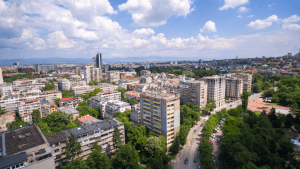
Only have a weekend to explore the capital of Bulgaria? Don't worry: it's perfectly possible to see Sofia in two days and come away with a good feel for a city that combines history, architecture, food and nature. Sofia is one of those European destinations that still feels like somewhere ...
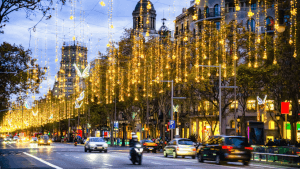
Barcelona has plenty of ways to celebrate Christmas, but few are as traditional as a trip to the Fira de Santa Llúcia. Every year, the streets around Barcelona Cathedral become home to one of the city's biggest Christmas markets, packed with handmade crafts, nativity scenes, festive decorations and products rooted ...
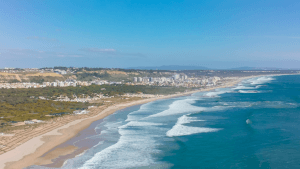
Just a few kilometres from the Portuguese capital, you will find forests, beaches, cliffs, mountains, and natural spaces that are ideal for a day trip. If you want to explore these places with total freedom, having a car can make your trip a lot easier. It is not necessary for ...

If you're heading to Los Angeles, chances are you've thought about hiring a car. The city is massive, the distances between main sights can be huge, and California is made for a road trip. So what's the best way to hire a car at LAX? Is it better to book ...
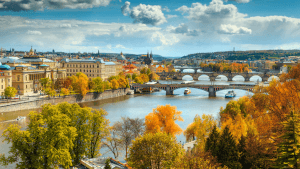
When we think about travelling around Europe, summer usually steals the spotlight. However, autumn is easily one of our favourite times to explore European cities. Temperatures are far more comfortable than in the summer heat, the peak season crowds have cleared out, and the countryside transforms into an incredible backdrop ...
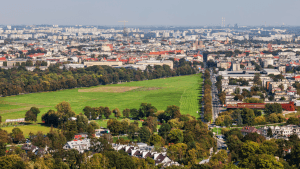
Reaching Kraków by car is straightforward enough; finding somewhere to park it is a whole different story. Is it better to hunt for a free spot, pay for a car park near the city centre, or leave your car at a Park & Ride and carry on by public transport? ...
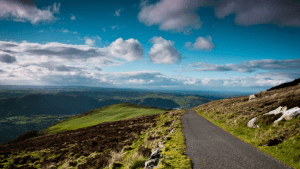
Ireland is one of those places best explored when you have the freedom to travel at your own pace. Dramatic cliffs, quaint villages, ancient castles, lush countryside, and scenic coastal drives make a road trip one of the very best ways to see the country. However, there is one thing ...
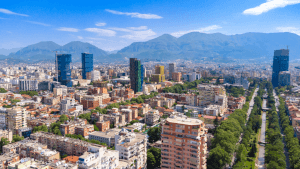
Planning to hire a car at Tirana Airport to explore Albania? Before you land, it pays to know a few key details so you can pick the right car for your trip, save money on your booking, and collect your vehicle without any surprises. While price is always a big ...
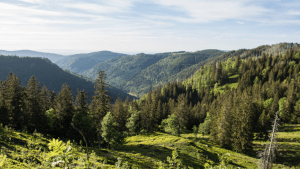
The most curious thing about the Black Forest is its name, because it is neither a jungle nor black. Located in southern Germany, this forest region feels like something straight out of a fairy tale: dense woods, rolling hills, crystal-clear rivers, and villages with half-timbered houses that have barely changed ...
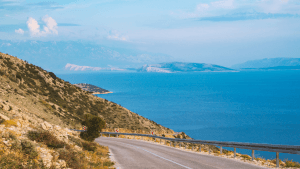
Croatia is one of Europe's most appealing destinations for a holiday along the Adriatic. Its historic cities, beaches, national parks, and stunning scenery make it the perfect country for a road trip. That's why hiring a car in Croatia is one of the best ways to explore the country with ...