



What to know before driving in Oslo

oslo-1

Driving through a city you’ve never been to can feel like a bit of a challenge at first, but don’t worry—with the right tips in hand, cruising the streets of Oslo will be a piece of cake! Whether you’re embarking on an epic road trip or just visiting for a few days, getting familiar with the Norwegian capital’s traffic rules is an absolute must. After all, who doesn’t want to make the most out of their time exploring one of Scandinavia’s coolest cities?

Before you pick up your hire car in Oslo, there are a few key things to keep in mind. Oslo’s pedestrian zones are no-go areas for cars, so knowing where you can drive (and where you definitely can’t) is essential. Then there’s the city’s network of car parks, automated city tolls (bomstasjoner), and the little perks that come with driving an electric car —which, if you hire one, might make your trip that much better.

From CarJet, we’re sharing our best tips to help you dodge restricted access zones, easily find parking spaces, and navigate the streets of Oslo like a pro. So buckle up, and get ready to learn all you need to know before taking your driving adventure around the Norwegian capital.

How is Oslo organised?

Oslo is structured into three distinct traffic zones, each with its own rules and quirks. Zone 1, located in the historic city centre, is the busiest and a hub for the city’s main tourist attractions, such as the Royal Palace and Karl Johans Gate Street. Parking here is quite limited, and prices can be steep due to high demand. To manage congestion, tolls are in place, making Zone 1 the trickiest area to drive in if you’re not familiar with Oslo's layout.

Venturing slightly further out, Zone 2 offers a bit more breathing room. Parking is generally more affordable than in Zone 1, but tolls may still apply depending on the area. For many visitors, Zone 2 strikes a balance between convenience and cost.

Finally, Zone 3, which encompasses neighbourhoods furthest from the city centre, offers the best options for parking. Spaces are easier to find, prices are lower, and tolls are less common. If you don’t mind a short journey into the heart of Oslo, Zone 3 can be a smart choice for saving both time and money.

What do I need to know about driving in Oslo?

Before hitting the roads in Oslo, it’s important to be aware of the rules surrounding parking areas, city tolls, and public transport alternatives. A little preparation goes a long way, helping you navigate the city with ease and avoid any unwelcome surprises along the way.

What kind of tolls are there in Oslo?

oslo-2

If you’re driving in Oslo, you’ll quickly discover the city’s automated toll system, known locally as ‘bomstasjoner.’ These tolls aren’t just there to empty your wallet—they’re designed to reduce congestion in the city centre and encourage greener modes of transport. Unlike traditional tolls with barriers and ticket booths, Oslo's system relies on cameras that automatically record your number plate as you enter or leave specific areas. Charges are billed directly to your account, making the process seamless (and inescapable).

What makes these tolls even more interesting is how the rates vary depending on the time of day. Peak hours come with higher charges, so driving during off-peak times can save you some money. Oslo’s commitment to sustainability shines through with electric vehicles receiving discounted toll rates, making them the ultimate eco-friendly choice for city exploration.

Oslo’s Low Emission Zones (LEZs)

oslo-3

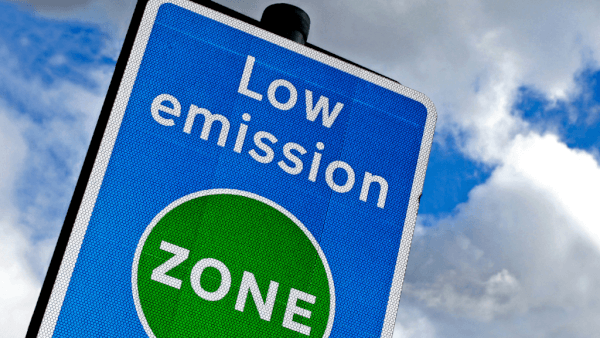
Oslo is a trailblazer in sustainable mobility, and its Low Emission Zones (LEZs) are a big part of this effort. These zones aim to tackle air pollution head-on while encouraging the use of cleaner vehicles, particularly electric and hybrid models. The LEZs primarily cover the city centre and a few surrounding residential areas.

Here’s what you need to know: if you’re driving a diesel or petrol car, you might face additional taxes or even restrictions depending on the area or time of day. Some streets may be completely off-limits to these vehicles. On the flip side, driving an electric car in Oslo is a breeze—these vehicles are often exempt from fees and come with perks like reserved parking spaces. It’s a win-win for the environment and your wallet!

Where to park in Oslo?

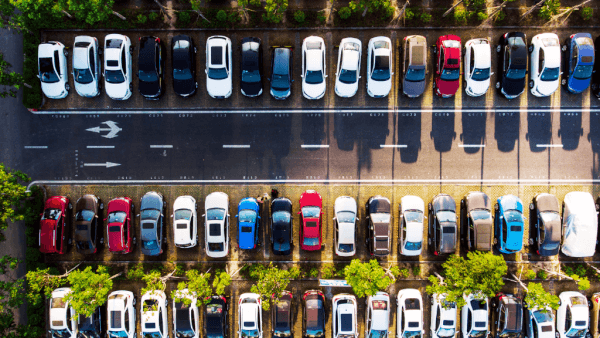
Parking in Oslo is an organised affair, with zones clearly marked to help you navigate the rules and fees. These zones are distinguished by different coloured lines—red, blue, and white—each offering unique benefits (and challenges). Understanding them is crucial for avoiding fines and ensuring a stress-free parking experience.

oslo-4

Oslo’s Red Zone

Found in the heart of Oslo, the red zone covers the most central areas, home to bustling tourist attractions like shops, restaurants, and cultural landmarks. As this is a high-demand zone, parking here is generally pricey and limited to short durations. Spaces are scarce, so don’t be surprised if you’re circling around for a while! Make sure to follow the parking time limits indicated on signs—fines are no joke. Payment is straightforward, though, with options like credit cards or mobile apps ensuring a modern, hassle-free process.

Blue Zone in Oslo

Venture a little farther out, and you’ll find yourself in the blue zone. This area offers a nice balance—it’s less crowded than the city centre and has more affordable parking rates. Spaces are easier to find, but there’s still a limit on parking time (typically 2–4 hours). Payment options include parking meters (for coins or bank cards) or mobile apps, making it easy for you to park and explore.

White Zone in Oslo

If you’re heading into residential neighbourhoods or the city’s peripheral areas, you’ll encounter the white zone. It’s the most laid-back parking zone, offering free parking in many areas—though some restrictions may apply. Always check the signs to ensure you’re parking legally, as certain streets or times may still require payment.

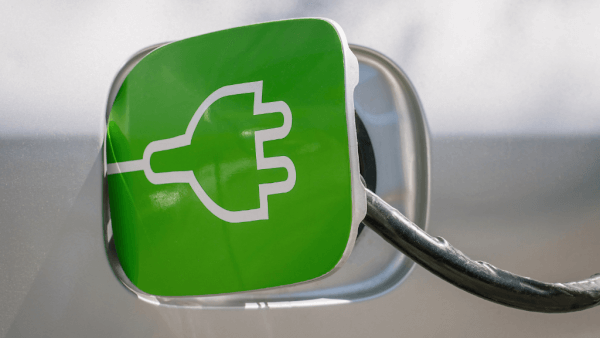
Oslo makes parking even more convenient for EV drivers, with dedicated spaces reserved exclusively for electric vehicles. These are strategically located around the city, providing easy access to attractions while promoting eco-friendly solutions. Many of these spaces come with perks like discounted rates or free parking—just another incentive to go green when driving around the capital.

oslo-5

Discover Oslo with CarJet: Your secret weapon for the best deals

If you’re planning to hire a car in Norway, look no further—CarJet is your go-to choice! With CarJet, finding the best rental car deals in Oslo has never been easier. This smart price comparison website searches in real time across Norwegian rental companies, from trusted local agencies to major international brands. In just under three minutes, CarJet guarantees you the lowest prices on the market. Yes, really—it’s that fast!

Hiring a car in Oslo is simple. All you need to do is enter your pick-up and drop-off locations, select your travel dates, and hit search. Feeling picky? No problem! You can customise your search with filters to match your preferences—whether you’re after an eco-friendly electric vehicle, a sleek automatic, a luxurious ride, or even a spacious van.

And here’s the best part: CarJet isn’t just about saving money; it’s about convenience. CarJet’s user-friendly platform gives you instant access to the best deals for cars of all types, helping you find the perfect ride for your Oslo adventure. With CarJet, you can trust you’re getting top value, leaving you more time (and cash) to enjoy everything this city has to offer!